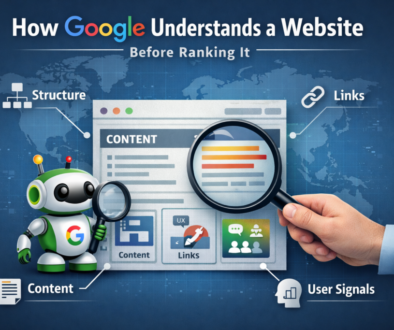

Technical SEO

Technical SEO: The Foundation of Search Visibility
The backbone of a successful presence online is technical SEO. While the presence of quality content with backlinks may attract more users to the website, the presence of technical SEO is essential to ensure proper crawling, indexing, and understanding of the website by the search engine. In the absence of technical SEO, quality content may not rank well.
Quite simply, “technical SEO” is the process of optimising the infrastructure of a website so that it meets the technical requirements of modern search engines such as Google. It makes the website better and provides a better user experience, which are both important for search engine rankings.
For a business or brand aiming for long-term growth, technical SEO is not a choice; it’s a necessity.
Why Technical SEO Matters
Search engines prioritise websites that are fast, secure, mobile-friendly, and easy to navigate. It helps:
-
Improve website crawlability and indexation
-
Enhance page speed and performance
-
Ensure mobile responsiveness
-
Strengthen website security
-
Deliver a seamless user experience
When technical SEO is done right, it creates a solid platform where content and marketing strategies can perform at their best.
Types of Technical SEO
1. Website Crawling & Indexing Optimisation
This type of optimisation is concerned with ensuring that the search engine crawlers can crawl a website correctly. The process involves optimising the website’s robots.txt file, the site’s XML sitemap, the site’s URLs, as well as the site’s internal links. This process is quite significant in ensuring that the pages on a website do not get neglected or duplicated on the search engine results page.
2. Site Speed & Performance Optimisation
Page speed is an important factor for website rankings and user experience. This includes image optimisation, server response time optimisation, browser caching, CSS and JavaScript minimisation, and content delivery networks. Faster sites result in better user engagement and lower bounce rates.
3. Mobile Optimisation
With mobile-first indexing, Google mainly uses the mobile version of the website to crawl. Mobile technical SEO is the practice of having a responsive design, a good user experience while loading the website, proper font sizes, and touch-friendly features. A well-designed mobile version of the website is beneficial in two aspects.
4. HTTPS & Website Security
Security can be considered the trust factor for users and search engines as well. Under technical SEO, HTTPS can be used through SSL certificates, fixing mixed content problems, and securing websites from potential threats.
5. URL Structure
“Clean,” logical, and SEO-friendly URL structures help search engines understand page structures. Technical SEO pertaining to this aspect primarily involves structuring content with clear navigation, breadcrumb navigation, canonical tags, and avoiding too many parameters, so as to avoid duplication issues.
6. Structured Data & Schema Markup
This helps a search engine better understand a website’s structured data. Using schema markup, a website can qualify for rich results such as FAQ answers, reviews, ratings, and featured snippets, raising its click-through rate by more prominently displaying its presence in search engine results pages.
7. Error Handling & Redirect Management
The foundation of technical SEO deals with fixing crawl errors, broken links, and 404 pages through appropriate 301 redirects, thereby ensuring the linkage equity retains its integrity and that users and search engines can move through smoothly.
Final Overview
Technical SEO forms the backbone of every successful website. It makes sure that, through site structure, performance, security, and crawlability, search engines and users alike can have easy access to the content. By doing so, technical SEO shapes visibility, improves user experience, and builds the foundational layer needed to establish successful long-term growth organically in digital marketing.
For more about digital marketing and my work, explore my portfolio for digital marketing.