
SEO Strategy for New Websites: A Complete Beginner Guide
Building a new website is always a thrilling experience, but without a solid SEO strategy, it can be challenging to get traffic to your website. SEO is a marketing technique that allows your website to appear in search engine results when users are searching for relevant information, products, or services.
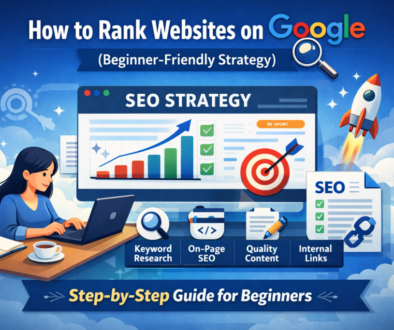
A solid SEO strategy for new websites is all about laying the groundwork for your website from the very beginning. This includes keyword research, technical SEO, high-quality content, and on-page SEO.
This guide will teach you the basics of the SEO steps every new website needs to follow, with a solid SEO strategy for new websites.
1. Perform Keyword Research
Keyword research is the starting point for any SEO strategy for new websites. It allows us to better comprehend what people are looking for on the internet and how we can create content around their search queries.
We need to focus on long-tail keywords, as they have less competition and are easier to rank for, especially for new websites.
For example, instead of trying to rank for the keyword “SEO,” which has too much competition, we can try to rank for the following long-tail keywords:
SEO strategy for new websites
SEO checklist for beginners
How to optimise a new website for SEO
Use keyword research tools like Google Keyword Planner, Ubersuggest, or Ahrefs to find keywords with good search volume and manageable competition.
If you are inserting manually in WordPress, link text like:
Google Keyword Planner → https://ads.google.com/home/tools/keyword-planner/
2. Optimise On-Page SEO
On-page SEO optimisation involves optimising the elements of the website pages to improve search engine rankings. It is a crucial factor to consider in the SEO strategy for new websites.
The important factors to consider in the on-page SEO optimisation include:
*Title Tags
Make sure to include your main keyword in the title tag.
Example: SEO Strategy for New Websites: Step-by-Step Guide
*Meta Descriptions
Make sure to create compelling meta descriptions that make users want to click your page.
*Header Tags
Make sure to include header tags such as H1, H2, and H3 to improve the readability of the page.
*Keyword Placement
Make sure to include your main keyword in the following places:
* Introduction
* Headings
* Image alt text
* Conclusion
If you want to learn more about optimising your website pages, read our guide on On-Page SEO Techniques.
3. Create High-Quality Content
Content is a major factor in the achievement of SEO. Search engines always rank content that is useful to the user.
For a new website, the content creation strategies include:
Creating in-depth content for the blog
Creating content that answers user questions
Creating content that provides useful tips to the user
Creating regular content
Having a good content strategy is an essential component of any SEO strategy for new websites. This is because, through regular content creation, the search engines will recognise the website as a credible source.
4. Improve Technical SEO
Technical SEO optimises your website for search engines. Without this, even the best SEO strategy for new websites will not perform well.
Important Technical SEO Factors:
Website Speed
Having a fast-loading website will improve user experience and search engine results.
Mobile Optimisation
Your website should be optimised for mobile devices.
Secure Website (HTTPS)
Having a secure website is a ranking factor. Always try to have an HTTPS website.
XML Sitemap
Having a sitemap will improve the crawling of your website.
You can test your website using Google PageSpeed Insights.
5. Build Quality Backlinks
Backlinks are links from other websites that point to your website. Backlinks are considered a symbol of trust for search engines.
Some of the best methods for backlinks are as follows:
- Guest blogging
- Directory submissions
- Creating shareable content
- Building partnerships with other websites
Building backlinks is another vital component of a successful SEO strategy for new websites.
You can learn more about SEO best practices from Google Search Central, which provides official SEO guidelines from Google.
Link example:
https://developers.google.com/search/docs
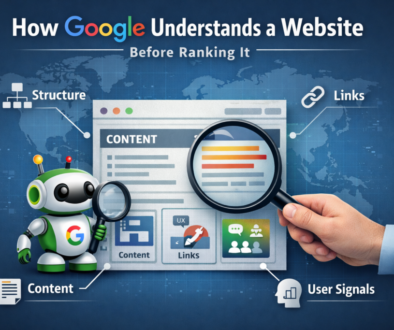
6. Optimise Website Structure
Having a clear structure for your website helps search engines understand your content better.
Here are the best practices for structuring your website:
- Keep it simple and clean
Organise content into logical categories
Make use of internal links
Avoid deep structure
For example, you can have:
Home > Blog > SEO Tips > SEO Strategy for New Websites
This structure can be beneficial for developing an effective SEO strategy for new websites.
7. Track and Analyse Performance
SEO is not a one-time process, and it is important to track the performance of your website and make improvements to the SEO process regularly.
The important metrics to track include:
Organic traffic
Keyword rankings
Click-through rate
Bounce rate
Use tools like Google Analytics and Google Search Console to analyse your SEO performance. Tracking data helps refine your SEO strategy for new websites and improve long-term results.
Common SEO Mistakes New Websites Should Avoid
There are many mistakes that new SEOs make, which can slow down their SEO growth. Some of these mistakes include:
- Keyword Stuffing
- Publishing Low-Quality Content
- Ignoring Technical SEO
- Not Optimising for Mobile Devices
- Buying Spam Backlinks
If you avoid these mistakes, you can improve your SEO strategy for new websites.
Final Overview
Creating a successful SEO strategy for new websites needs patience and perseverance. By following these methods, including keyword research, on-page SEO, quality content, technical SEO, and backlink development, you can lay the groundwork for a successful website.
SEO success does not happen overnight, but if you follow these methods, you can see a gradual rise in your search engine rankings.
If you follow these methods regularly, your website can become a trusted source of information and attract more visitors from search engines. A strong SEO foundation starts with a proper website development structure that ensures clean URLs, fast loading speed, and mobile friendly design.