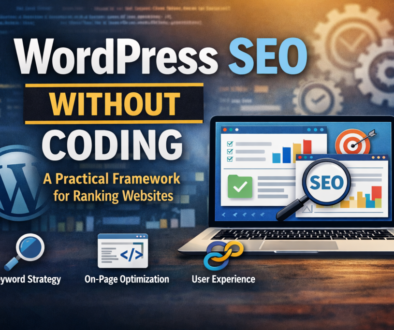

SEO IN DIGITAL MARKETING
SEO in digital marketing plays a crucial role in digital marketing. In today’s competitive online environment, having a website is not enough—your target audience must be able to find it easily. SEO in digital marketing helps businesses improve their online visibility, attract organic traffic, and build long-term brand credibility. As a core component of digital marketing, SEO focuses on optimizing websites to rank higher on search engine results pages (SERPs), especially on Google.
What is SEO?
SEO is the process of improving a website’s structure, content, and overall performance to make it more attractive to search engines. The primary goal of SEO is to increase organic (non-paid) traffic by achieving higher rankings for relevant keywords. Unlike paid advertising, SEO delivers sustainable results over time and helps businesses gain consistent online exposure.
Importance of SEO in Digital Marketing
SEO in digital marketing is essential because most online experiences begin with a search engine. When users search for products, services, or information, they usually click on results that appear on the first page. If your website does not rank well, you may lose potential customers to competitors. SEO in digital marketing helps businesses reach the right audience at the right time, improves user experience, and increases website credibility. Additionally, SEO supports other digital marketing strategies such as content marketing, social media marketing, and pay-per-click advertising by strengthening overall online presence.
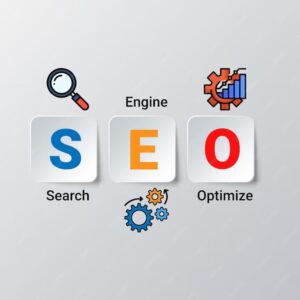
Key Components of SEO
SEO in digital marketing is broadly divided into three main areas:
1. On-Page SEO
On-page SEO focuses on optimising elements within the website. This includes keyword research, high-quality content creation, meta titles, meta descriptions, header tags, internal linking, and image optimisation. Well-structured and informative content not only helps search engines understand your website but also provides value to users.
2. Off-Page SEO
Off-page SEO involves activities outside the website that help improve its authority and trustworthiness. The most important aspect of off-page SEO is link building, where high-quality backlinks from reputable websites signal search engines that your site is reliable. Social media engagement, brand mentions, and online reviews also contribute to off-page SEO.
3. Technical SEO
Technical SEO in digital marketing ensures that a website meets the technical requirements of search engines. This includes website speed optimization, mobile-friendliness, secure HTTPS connections, proper indexing, clean URL structure, and fixing crawl errors. A technically optimised website improves user experience and helps search engines crawl and rank pages efficiently.
Role of Content in SEO
Content is the backbone of SEO. Search engines prioritise websites that provide valuable, relevant, and updated content. Blogging, articles, landing pages, and FAQs help target specific keywords and answer user queries. High-quality content increases engagement, reduces bounce rate, and encourages users to spend more time on the website, which positively impacts SEO rankings.
SEO vs Paid Marketing
Unlike paid advertising, SEO focuses on long-term growth. While paid ads provide instant visibility, SEO builds trust and credibility over time. A well-optimised website can continue generating traffic even without continuous ad spending, making SEO a cost-effective digital marketing strategy.
In conclusion, SEO is a vital pillar of digital marketing that drives long-term visibility, credibility, and sustainable business growth. By implementing effective on-page, off-page, and technical SEO strategies, businesses can attract the right audience, improve user experience, and stay competitive in an ever-evolving digital landscape. However, achieving consistent SEO results requires expertise, continuous optimisation, and a well-planned strategy. Partnering with a professional digital marketing strategist in Kannur can help businesses leverage SEO effectively, align it with broader digital marketing goals, and achieve measurable online success.